Do you want to grow bigger pumpkins on healthier plants? Bond with your plants for fast and healthy growth. Plant bonding is a gardening technique that really works. While it may have its skeptics, try it, and you will be pleased with the results.
Laugh if you will, but every good farmer spends time bonding with their crop. I have never seen a pumpkin object to bonding with a grower. If you want a really big pumpkin, do not skip this process. If this author is not enough of a testimonial, let me offer you a more convincing example…..
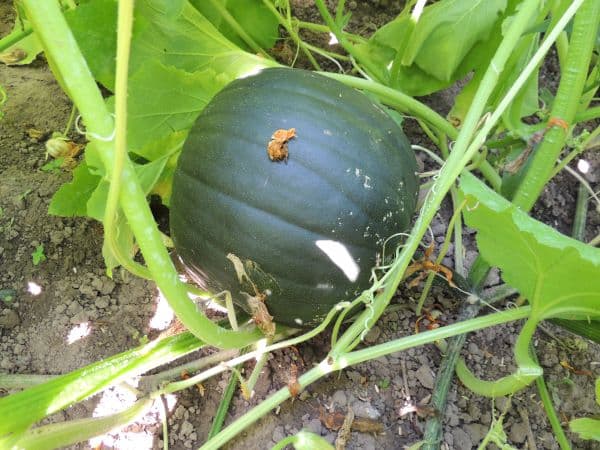
One summer, I had the opportunity to host a number of friends at a picnic at my home. These friends were on their first visit to the U.S. from China. I had met them through several visits there. One of my friends (who happened to have a farming background) immediately went to “check out” my garden. Upon seeing my giant pumpkin, he kneeled down, stroked the fruit very gently and said “Nice Nangua, grow Nangua”. (Nangua, being Mandarin for the word pumpkin). He was downright sincere and complimented both me and the plant. He also mentioned that you had to develop a relationship with your plants to help them to grow and produce. This pumpkin ultimately grew to become my biggest ever to date.
The above example is proof to the universal belief in bonding with your plants. In fact, bonding is successful with almost any vegetable or flowers in your garden. Try them on herbs, too. In all of the plant world, Zucchini is the only plant which does not respond to bonding. That’s because Zucchini grows prolifically, without any encouragement.
The most common form of bonding with your pumpkin plant is simply to talk to it. Plants respond quite well to positive re-enforcement. They also respond negatively to criticism and negative re-enforcement. Don’t ever threaten your pumpkin or mention your doubts and disappointments within hearing range of the plant. The mere mention of your disappointment of its growth rate can cause the growth to completely stop growing for a period of time. The old saying “One aw_hit is worth a hundred Attaboys” is very relevant here. Fortunately, pumpkin plants have extremely poor hearing, about ten feet. So, if you have any bad thoughts about your plants, keep them to yourself.
If you run out of things to say, try reading to them. Pumpkins are known to enjoy adventure stories. Read them romance novels during the pollintaion phase.
A second form of plant bonding is singing to your plants. This is slightly more effective than talking in an encouraging manner to your crop. It can also backfire as the choice of music is vital. Songs about love and upbeat tempo are best. But, never sing a sad song within hearing range of your plants.
Caution: Those who can not sing, can turn off the pumpkin, stunting all growth. Sad songs and slow elevator music can also result in reduced production. Slow music can put your pumpkin to sleep…. normally pumpkin fruit grows 24 hours a day. An upbeat, fast tempo is the preferred choice. However, marches are to be avoided as they may cause the pumpkin to grow too quickly and literally burst. Most importantly, do not forget to sing love songs during the pollination period, especially during early morning hours when pollination peaks.
Playing recorded music is sure to produce favorable results, although markedly less effective than the personal touch of your voice. Use the same selection of songs as described for singing.
A few musically inclined growers will bring out their instruments and play to their crops. Again, keep in mind the type of music. There is speculation that symphonic band instruments are more effective than jazz or orchestra. I am currently researching this and will update you shortly (don’t hold your breath).
Yet another form of bonding is to camp out and sleep with your vines as they grow. Anyone who pursues prize winning results will confirm that you might as well sleep in the field. After all, you need to spend most of your time there. My wife (saint that she is) suggested I sleep in the shed next to the plants, as she sees little of me during the growing season anyway.
Finally, language plays absolutely no role in pumpkin growth results. My example at the beginning of this article is proof positive that pumpkins are multilingual.
Fact or fiction? You make the call. However, I certainly have no doubts that bonding is an important part of the process. If you are still not convinced, think about the fact that the more attached you are to your plants, the more you think about their needs. And you will be more observant to the condition of both the plant and its environment on a daily basis. Through plant bonding you are more active in its care and meticulous about every little aspect of growing.
As a final thought on this topic, you should carefully consider your pumpkin’s name. This is also part of the bonding process.