
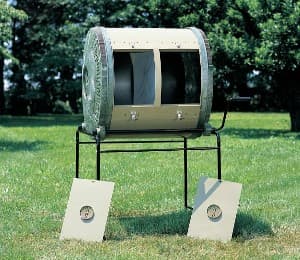
Compost is the King of soil amendments. Compost is one of the best friends a home gardener can have. Just about all vegetation (trees, fruits, vegetables, shrubs, etc) thrives on rich compost. Certainly, pumpkins are no exception. Most gardeners have a compost pile, where we throw anything and everything from the plant world. Most of us are not picky at what we throw in there and most vegetation are perfectly fine to include in our compost pile.
It is difficult to make a long term mistake with the compost pile. If you do not turn it and keep it moist, it will still decompose. It will just take a little longer and may smell a lot more along the way. A common error is to pile the grass clippings too thickly. This results is a strong odor, but does not affect the eventual decomposition.
Most people do not put table scraps composed of animal matter into the compost pile. This is because they attract other animals and pests.
Make sure the things you put in the compost pile are clean and free of bacterias. If you had bacterial wilt or other disease problems with your crop, do not throw it on the compost heap. If the pile is not hot enough, the disease will winter in your compost pile and re-infest the next year’s crop.
Manure is decomposed animal excrement. It is usually mixed with straw that is laid down in the animal’s stall, cage, or pen. Everyone agrees that well composted manure is the absolute best thing to add to your soil. It’s not just for pumpkins. It’s great for all kinds of plants.
What kind of manure is best? Most people will obtain whatever manure is available. The most common forms are cow and horse manures. There are others, such as chicken, bat, and even pig. Question: Is anyone out there using Bat Guano? A work associate of mine swears by bat guano for her gardening needs. (Unfortunately, she is not a pumpkin grower)
Unless you are well read on this topic, I’d suggest sticking with the common horse and cow manures, even though any kind of decomposed manure will be good. Of these two options, cow manure is better in the sense that the cow processes its food far more efficiently. Horse manure contains many small seeds that have passed through the horse’s system unprocessed. The undigested seeds are surrounded by all the rich compost and will thrive in your garden. To minimize this, obtain an adequate amount of manure well in advance. Pile it high in your garden and let it cook (decompose) for several weeks prior to use.
Leaves are a frequent additive to the garden. Most, but not all leaves, have a fairly neutral pH. And overall are healthy for the soil and plants. I prefer Oak and Maple. Be cautious if you are getting bagged leaves from the side of the road. Not all leaves are good for your garden. For example, Black Walnut contains the toxin Jugoline which is toxic to plants. In my town, we have a yard waste recycling program. Leaves are mulched at the town site each year. The resulting mulch, which my neighbors and I call “Black Gold”. And they make this excellent soil amendment available at no cost for use by residents. Everything we have ever grown in soil that contains this “Black Gold” has produced stellar results. Pumpkins just love this stuff.
There are other mulches as well. These include pine mulch and wood chips. The drawback to some of these is they often have ph levels, little nutrient value, or the compost is raw, which can result in burning your plant if piled too thickly. I once used thick layers of pine needles on my garden. It worked great to keep the weeds down. But, I also seriously raised the ph level. Unless you’ve done your research on a particular material, use caution to apply them in small amounts or avoid them all together.
Professional growers will grow a “cover crop” in their field. The most common crop is an annual or winter rye grass. Alfalfa is also good. Sow the grass in the fall. Then, plow or roto-till it in the spring. Cover crops benefit the field in two ways. First, the grass adds nitrogen into the soil. Second, it can reduce soil erosion due to wind, rain and runoff during the long off season.
This concept is commonly practiced in professional farming and is easily practiced in smaller home gardens. However, most home gardeners do not practice this.
Black plastic mulch can certainly be used. It is beneficial in warming the soil early in the year. It also is very effective in keeping the weeds down between the rows.
However, plastic mulch is not a soil amendment. And, it does not allow water and nutrient into the soil unless it has many, many holes or slits. And, it does not allow the development of secondary roots. Therefore if you use it, do not place it under either the primary vines or runners. A final dis-advantage is it is not environmentally friendly. Pick it up and discard it at the end of the season.
Whenever you add soil amendments, check the soil. pH. They can alter the soil pH.
“pH” is a measure of acidity or alkalinity. Each plant in your garden or yard, has an ideal range that it will thrive in.
Like most plants, pumpkins like a fairly neutral soil pH level of 6.0 to 6.5, some say 6.0 to 7.0. If your ph level is outside this range, the minerals the plants need may be locked up in the soil and the roots unable to absorb them. I have gained increased respect and understanding in the last few years for the importance of having the correct ph level for optimum growth. You do not have to be a chemistry major or even understand it thoroughly. Just remember these three key points:
Although it is recommended, soil testing is not an absolute necessity. If your gardening area has proven productive over the years and you are constantly adding amendments in some balance, you may opt not to test it. Keep in mind that the amendments you add could alter the ph. If you do not test your soil occasionally, you are passing by the opportunity to maximize the plant’s potential, and the size and quality of the fruit.
New growers and especially people who are experiencing problems with growing pumpkin or other crops, should definitely test for soil pH.
Crop rotation means moving your crop from one area of your garden or field to another. This is and important concept for home gardeners as well as professional farmers in order to maintain the health of your soil. Rotating your crops helps to avoid depletion of nutrients and minerals in the soil. And, very importantly, it minimizes insect and disease as both of these can over-winter in your soil.
Also, people who like this article on pumpkin soil amendments will like:
How to Grow Pumpkins – Preparing the pumpkin patch